

Creating a safe, comfortable bathroom isn’t just about grab rails and non‑slip flooring. Lighting plays a huge role in preventing falls, improving visibility, and helping people feel confident moving around their space. As we age, our eyes need more light to see clearly, and mobility challenges can make poorly lit areas genuinely hazardous.
This guide walks you through the most effective bathroom lighting options for elderly and mobility‑restricted people—what they are, why they matter, and the pros and cons of each.
Why Lighting Matters More as We Age
Ageing eyes experience:
- Reduced contrast sensitivity
- Increased sensitivity to glare
- Slower adaptation between light and dark
- Difficulty seeing edges, steps, and obstacles
Mobility restrictions add another layer: safe navigation depends on clear, even lighting with minimal shadows. Good lighting isn’t a luxury—it’s a safety feature.
Bathroom Lighting Options
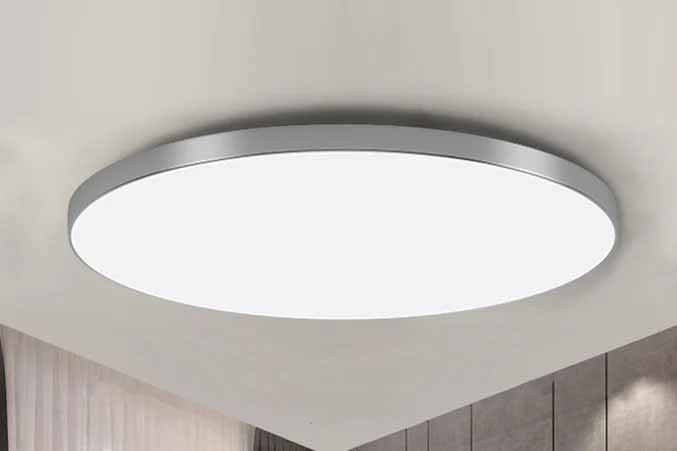
1. Ceiling Ambient Lighting
Ceiling lights provide the main illumination for the bathroom. For older adults, bright, even ambient lighting is essential.
Best Options
- LED flush‑mount ceiling lights
- LED panels
- High‑CRI (colour‑accurate) bulbs
Pros
- Provides consistent, overall brightness
- Reduces shadows that can hide hazards
- Energy‑efficient LEDs lower long‑term costs
Cons
- If too dim, they create unsafe conditions
- If too bright or harsh, they can cause glare
- May require an electrician to install or upgrade
2. Task Lighting Around the Mirror
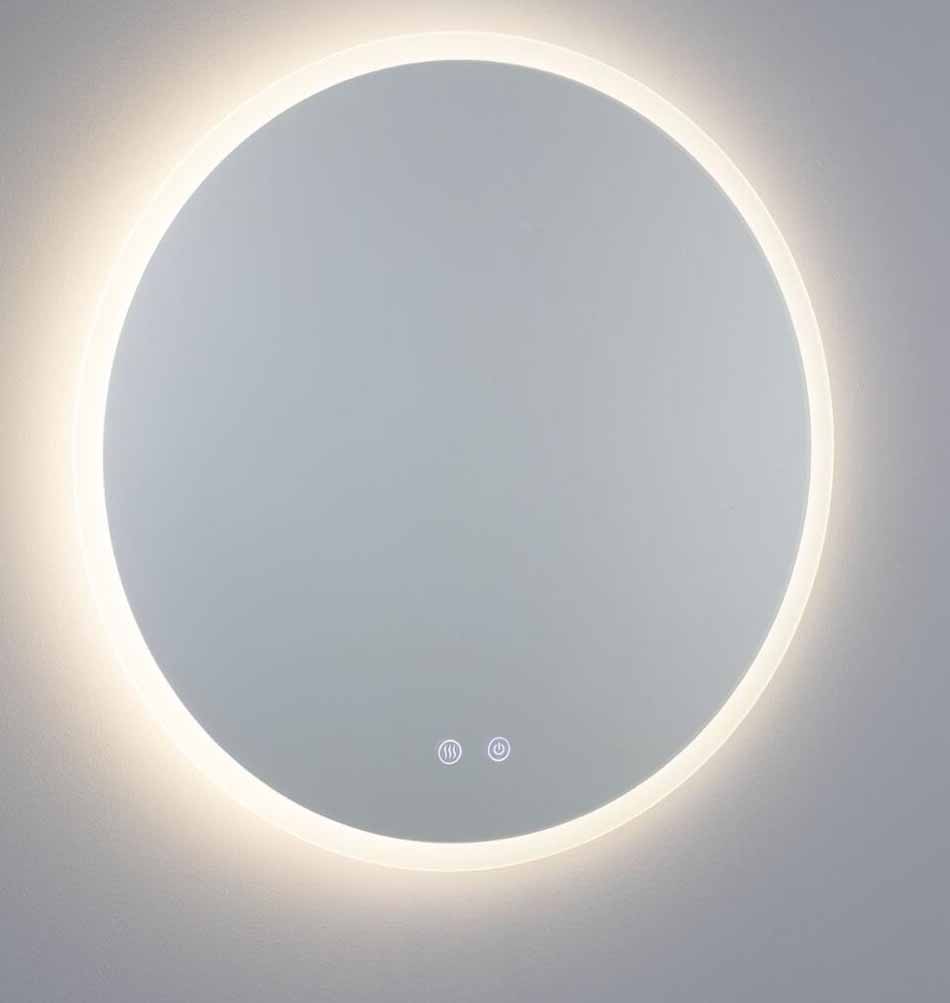
Task lighting helps with grooming, medication application, and reading labels.
Best Options
- Vertical LED strips on both sides of the mirror
- Backlit mirrors
- Adjustable vanity lights
Pros
- Reduces shadows on the face
- Helps with detailed tasks
- Backlit mirrors reduce glare and look modern
Cons
- Poor placement can create harsh shadows
- Some fixtures may be difficult to reach or adjust
- Backlit mirrors can be more expensive
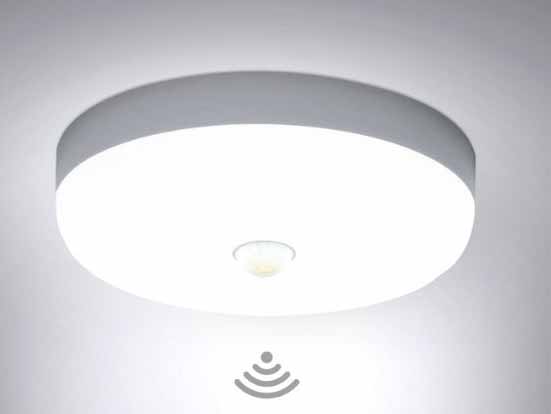
3. Motion‑Activated Lighting
Motion sensors are a game‑changer for people with limited mobility or balance issues.
Best Options
- Motion‑activated ceiling lights
- Motion‑activated night lights
- Motion‑activated under‑cabinet lights
Pros
- No need to fumble for switches
- Lights activate instantly when entering the room
- Great for nighttime bathroom visits
Cons
- Sensors can occasionally misfire
- Requires correct placement to avoid accidental activation
- Battery‑powered options need occasional replacement
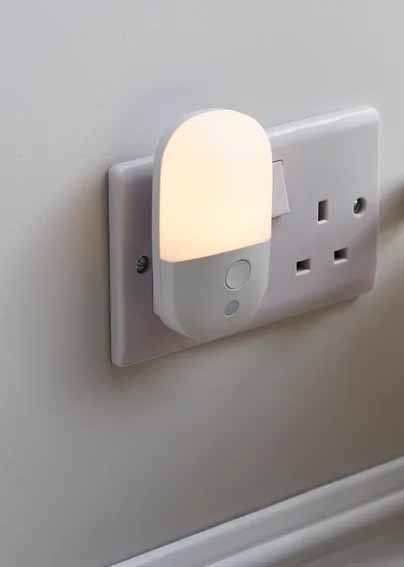
4. Night Lights & Low‑Level Pathway Lighting
Best Options
- Plug‑in LED night lights
- LED strip lights along skirting boards
- Under‑vanity lighting
Pros
- Soft illumination without disturbing sleep
- Helps guide movement safely
- Very affordable and easy to install
Cons
- Too-dim lights may not provide enough visibility
- Plug‑in lights require accessible sockets
- Some strip lights need adhesive replacement over time
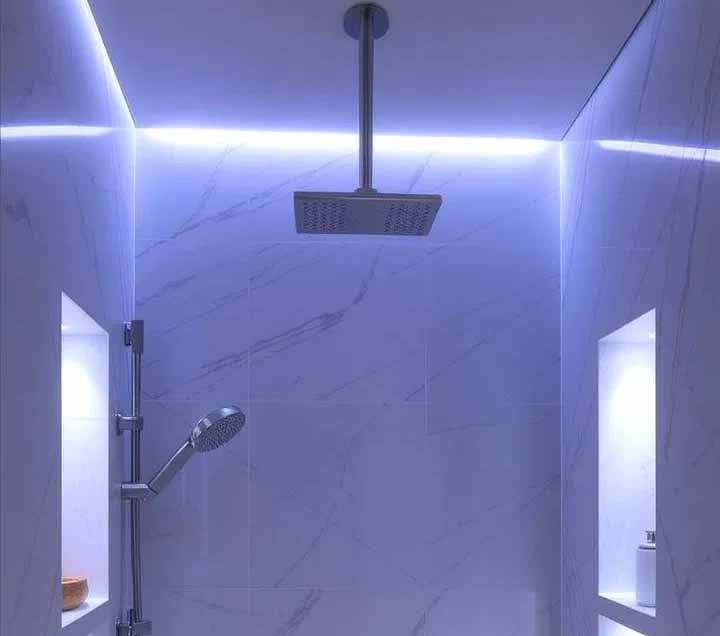
5. Shower & Bath Lighting
Water and steam make visibility tricky, so dedicated lighting helps.
Best Options
- IP‑rated (waterproof) recessed LED lights
- LED strip lighting around bath edges
- Anti‑glare shower lights
Pros
- Improves visibility in slippery areas
- Waterproof options are safe and durable
- Anti‑glare designs reduce eye strain
Cons
- Installation usually requires a professional
- Incorrect IP rating can be unsafe
- Recessed lights may need periodic cleaning
6. Anti‑Glare & Diffused Lighting
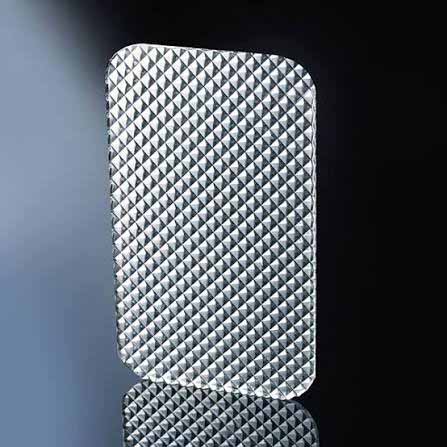
Glare is a major issue for ageing eyes. Diffused lighting softens harsh brightness.
Best Options
- Frosted glass fixtures
- Diffused LED panels
- Lampshades or covers designed to soften light
Pros
- Reduces eye strain
- Makes the bathroom feel calmer
- Helps with contrast sensitivity
Cons
- Over‑diffusion can make the room too dim
- Some diffusers are harder to clean
- May require pairing with brighter ambient lighting
7. Smart Lighting Systems
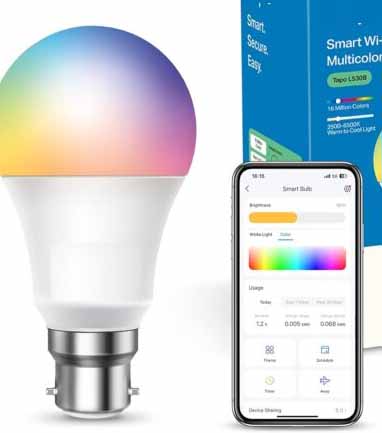
Smart lighting can be controlled via voice, app, or preset routines.
Best Options
- Voice‑activated smart bulbs
- Smart switches
- Automated lighting schedules
Pros
- No need to reach switches
- Customisable brightness and colour temperature
- Can integrate with fall‑detection or home‑care systems
Cons
- Requires Wi‑Fi and basic setup
- Some elderly users may find apps confusing
- Smart bulbs can be more expensive
8. High‑Contrast Lighting for Key Areas
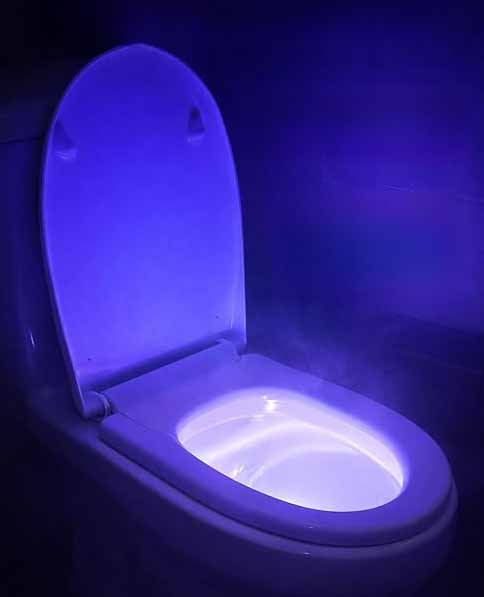
Highlighting edges and surfaces helps with depth perception.
Best Options
- Lighting around toilet base
- Lighting around grab rails
- Lighting under cabinets
Pros
- Makes navigation easier
- Helps identify key fixtures quickly
- Adds a modern aesthetic
Cons
- Too much contrast can be visually overwhelming
- Requires careful placement
- Some options need professional installation
Putting It All Together: A Safe Bathroom Lighting Plan
A well‑lit bathroom for elderly or mobility‑restricted people typically includes:
- Bright, even ceiling lighting
- Anti‑glare diffused fixtures
- Task lighting around the mirror
- Motion‑activated lights for entry and night-time use
- Night lights or pathway lighting
- Waterproof shower/bath lighting
- Optional smart controls for ease of use
This layered approach ensures safety, comfort, and independence.
Final Tips for Caregivers & Homeowners
- Choose warm‑white LEDs (2700–3000K) for comfort.
- Aim for high brightness (800–1500 lumens) in main fixtures.
- Avoid harsh spotlights—they create shadows and glare.
- Keep switches accessible or replace them with motion sensors.
- Regularly check bulbs and batteries.
- Consider professional installation for any electrical upgrades.
Bathroom Lighting Options: Comparison Chart

Bathroom Lighting Safety Checklist for Elderly & Mobility‑Restricted People
General Lighting
- [ ] Main ceiling light provides bright, even illumination
- [ ] Bulbs are warm‑white (2700–3000K) for comfort
- [ ] No harsh glare or strong shadows
- [ ] All bulbs are functioning and easy to replace
- [ ] Light switches are accessible OR replaced with motion sensors
Mirror & Task Lighting
- [ ] Lighting is placed on both sides of the mirror or is backlit
- [ ] No shadows on the face during grooming
- [ ] Bright enough for reading labels or applying medication
- [ ] Fixtures are stable and easy to clean
Motion‑Activated Lighting
- [ ] Motion sensors activate reliably when entering the bathroom
- [ ] Night‑time lighting triggers without delay
- [ ] Sensor placement avoids accidental activation
- [ ] Batteries (if applicable) are checked regularly
Night Lights & Pathway Lighting
- [ ] Night lights illuminate the route to the bathroom
- [ ] Pathway lights are bright enough to prevent falls
- [ ] Plug‑in lights are secure and not obstructing sockets
- [ ] LED strips are firmly attached and not peeling
Shower & Bath Lighting
- [ ] All fixtures are waterproof (correct IP rating)
- [ ] Lighting reduces shadows in the shower/bath area
- [ ] Anti‑glare options are used where possible
- [ ] No flickering or dimming due to moisture
Anti‑Glare & Diffused Lighting
- [ ] Diffusers or frosted covers soften harsh light
- [ ] No overly dim areas caused by over‑diffusion
- [ ] Fixtures are easy to clean and maintain
Smart Lighting (Optional)
- [ ] Voice controls are set up and easy to use
- [ ] Brightness presets are configured (day/night modes)
- [ ] Wi‑Fi connection is stable
- [ ] User understands basic controls
High‑Contrast Lighting
- [ ] Key fixtures (toilet, grab rails, cabinets) are easy to see
- [ ] Accent lighting highlights edges safely
- [ ] Contrast is helpful, not overwhelming
A Free downloadable version of this post with printable checklists can be downloaded from our ‘How to Guides’ page
Practical Advice & Support
Advice and support on falls can be found at the following organisations
- Assess Risk: For a localised assessment of fall risks and personal alarm solutions, explore resources offered by Age UK.
- Home Modifications: Your local council may offer free home hazard assessments or financial assistance for installing grab rails, raised toilets, and improved motion-sensor lighting. Learn more via the GOV.UK Home Adaptations page.
- NHS Guidance: Review fall prevention techniques and safety exercises provided on the NHS Falls page